pollution PREVENTION AND MINIMIZATION
Pollution Prevention and Minimization

INTRODUCTION
Stakeholder Impact
Air pollutants generated from the Group’s operations—particularly nitrogen oxides (NOx), sulfur oxides (SOx), and volatile organic compounds (VOCs)—may adversely affect local air quality. Key stakeholders potentially impacted include the surrounding communities and on-site personnel.
To mitigate the impact, the Group adopts a systematic approach to ensure that pollution levels remain in compliance with applicable regulatory requirements.
MANAGEMENT APPROACH
Policies & Commitments
Practices
Asphalt Business in Thailand
The Group prioritizes mitigating and minimizing the negative impacts of pollution where it operates, in compliance with applicable national and local environmental regulations. To achieve this, the Group has established a structured pollution management approach focused on preventive Machinery Maintenance, regular pollutant monitoring and surveillance. These practices are essential to ensuring emissions remain within regulatory limits, safeguarding community health, and maintaining continuous compliance with environmental requirements.
Machinery Maintenance
Machine conditions refer to maintenance status, wear and reliability, which are directly linked to emissions control. To address this, the Group implements a scheduled machinery maintenance program in place.
Specifically, designated engineering teams are responsible for regular machinery upkeep. Such a practice aims to maintain machinery in a reliable operating condition, which helps reduce emissions and supports compliance with the national regulation limits where it operates.
Pollutant Surveillance
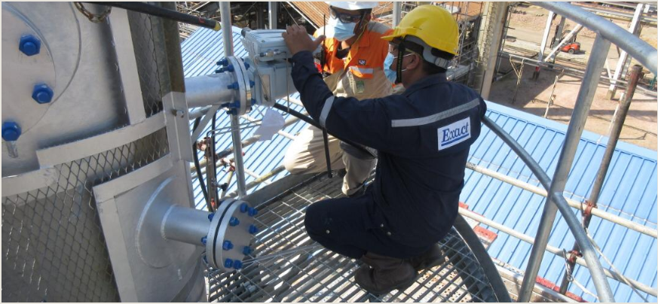
Pollutant surveillance is a key practice to verify compliance between national regulations and the Group’s pollution performance. Designated teams were assigned to be responsible for regularly sampling emissions at the machinery outlets.
This practice aims to monitor the pollution remains within the national regulation limits and to enable prompt mitigation actions if pollution is likely to exceed the limits by law.
Other Businesses
Similar to Asphalt business in Thailand, the Group’s refinery and marine businesses have the pollution practices that are in accordance with the relevant regulations. The following shows key practices that are unique to the refinery and marine businesses.
Refinery Business
To ensure good air quality, the Group’s refinery business aligns its pollution management practices with national regulations, specifically the Environmental Quality Act (EQA) 1974, which is enforced by the Department of Environment (DOE) under the Ministry of Natural Resources and Environmental Sustainability.
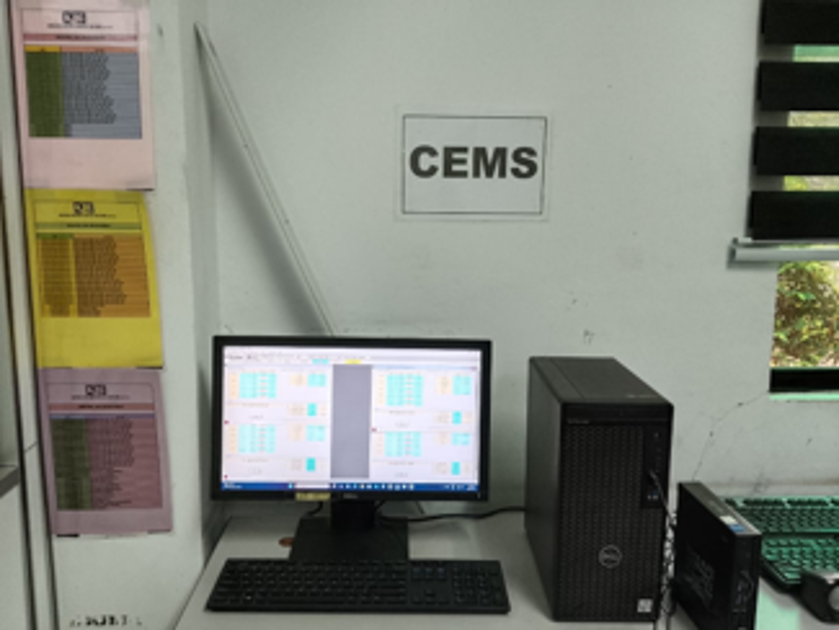
The Group’s refinery business has installed a Continuous Emission Monitoring System (CEMS) to monitor emissions such as NOx and SOx in real time and help ensure that emission levels do not exceed regulatory limits. In addition, manual sampling is conducted by a third-party external laboratory to monitor pollutants such as total particulate matter.
In addition to CEMS, the Group’s refinery business has established a scheduled machine maintenance programme to keep equipment in good operating condition.
Marine Business
The Group’s marine business is committed to minimizing pollutant emissions from its marine operations, particularly nitrogen oxides (NOx) and sulfur oxides (SOx), through a combination of operational efficiency, technology improvement, and environmental awareness.
From an operational perspective, the use of low-sulfur fuels is prioritized in accordance with international maritime requirements to directly reduce SOx emissions, while regular hull and propeller cleaning are implemented to reduce drag, improve fuel efficiency, and contribute to lower overall fuel consumption and associated emissions.
Preventive maintenance programs, including routine engine maintenance and tuning, are also carried out to enhance combustion efficiency and support NOx reduction.
Complementing these efforts, environmental awareness is promoted through regular training for crew members to ensure compliance with applicable regulations and adoption of industry best practices, alongside the use of environmentally friendly lubricating oils that are more biodegradable and less harmful in the event of leakage, thereby supporting responsible and sustainable marine operations.
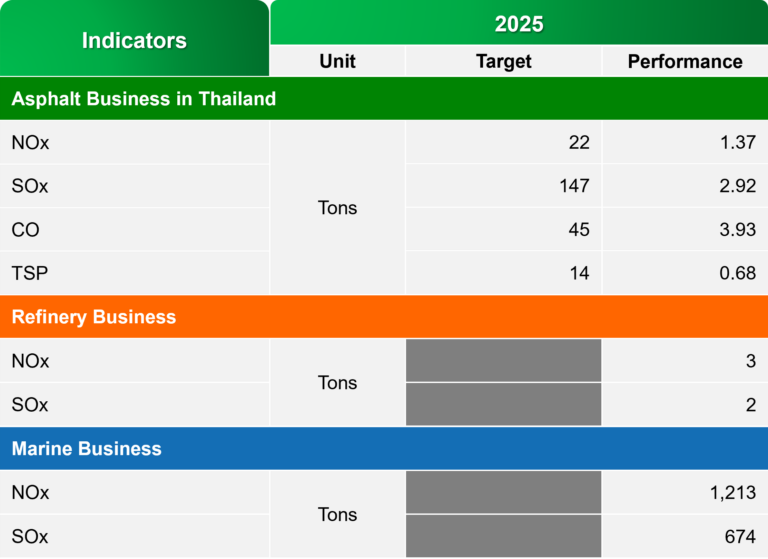
KEY PERFORMANCE
HIGHLIGHT PROJECTS
Pollution Maintenance & Monitoring
In collaboration with the Department of Environment (DOE) under the Ministry of Natural Resources and Environmental Sustainability, the site has installed a Continuous Emission Monitoring System (CEMS). This system automates the emissions sampling process and enables real-time monitoring of emission levels. The real-time data enables prompt response and timely adjustments to operational parameters, helping to control emissions effectively and support continuous compliance with regulatory standards.