Employee Management and Development
Employee Management and Development
INTRODUCTION
Stakeholder Impact
Employees are the primary stakeholders of employee management and development, as beneficiaries of (1) labor practices—how the Group treats employees based on labor regulations where it operates; and (2) human capital management—how the Group proceed the people matter with competency-based, performance-based and governance approaches, as well as (3) workplace well-being—including mental and physical health. How well the Group manages labor practices and human capital management determines either the positive or negative impacts on the employees.
MANAGEMENT APPROACH
Policies & Commitments
Labour Practices
The Group has established the Human Capital Management Statement as a founding guideline of labor practices in compliance with International Labour Organization (ILO) standards across all operations. In each country, we ensure that compliance with local labor legislation and practices shall take precedence.
The Human Capital Management Statement and relevant labor practices are publicly disclosed via the Group’s internet website and communicated to employees via training to promote transparency and provide clear expectations.
Our employees are also required to acknowledge Code of Ethics, which is disclosed on internet and intranet websites.
The Group has conducted risk assessments on labor rights as part of its Human Rights Due Diligence process, in current and potential new operations, if any; and subjected to be continually reviewed on a periodic basis. This process serves as a formalized mechanism for identifying, prioritizing, and mitigating current and potential labor risks across the organization.
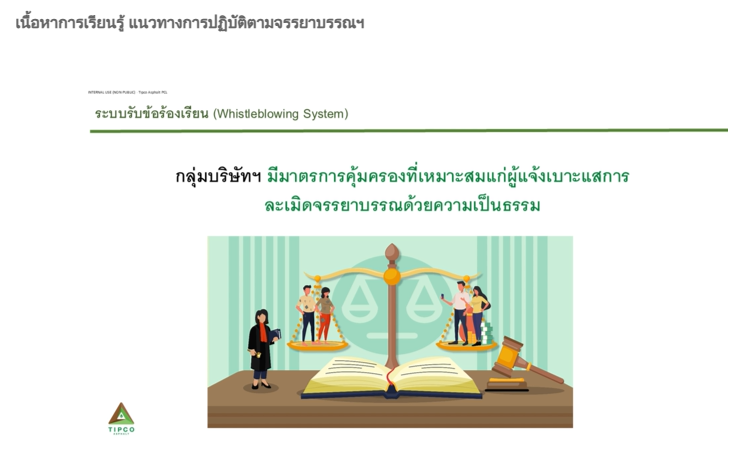
In addition, the Group provides whistleblowing mechanisms that enable employees and other external stakeholders to raise potential non-compliance cases regarding labor practices and/or the violations to our Code of Ethics (e.g., unpaid overtime, discrimination).
Reporting cases are subsequently reviewed by the designated committees to determine appropriate remediation and disciplinary actions where applicable.
The following are the details of the Group practices on hiring & termination, workforce diversity, work hours, freedom of association, and compensation without discrimination against personal characteristics and attributes e.g., sexual orientation, race, religion, gender, age, disability, or nationality.
Hiring & Termination
The Group’s selection and hiring practices are based on the matching of candidate qualifications, experience and competencies with those of the opening job position, which are set by the hiring manager at the beginning of process. The Group encourages the youth and underprivileged employment, through internships and apprenticeship programs.
Furthermore, the Group reviews relevant documents of candidates, as a preventive measure to prevent hiring of child or forced labor. In terms of employee termination, the Group complies with the notice period and pay entitlements as stated by the laws and legal regulations.
Workforce Diversity
Given the Group’s highly diverse workforce, differences in backgrounds and perspectives may sometimes lead to unintentional misunderstandings or perceived harassment; therefore, fostering mutual understanding and respect is essential to building an inclusive and harmonious workplace.
According to our Code of Ethics, the Group provides mandatory training with assessments to all employees, regarding our zero-tolerance policy against all forms of harassment (including sexual and non-sexual harassment); and to managers on how to handle harassment situations in the workplace, as well as the disciplinary actions for harassing behavior.
Freedom of Association
In terms of freedom of association and the right to collective bargaining, the Group allows employees—regardless of their sexual orientation, race, religion, gender, age, disability, and nationality—to form and voice their concerns through a regular engagement with formal employee representative bodies, for example, the welfare committee (staff club) in Thailand and official trade unions in Vietnam.
Workhours
The Group monitors employee overtime work and ensures the overtime payments in accordance with the national legislation in our areas of operation.
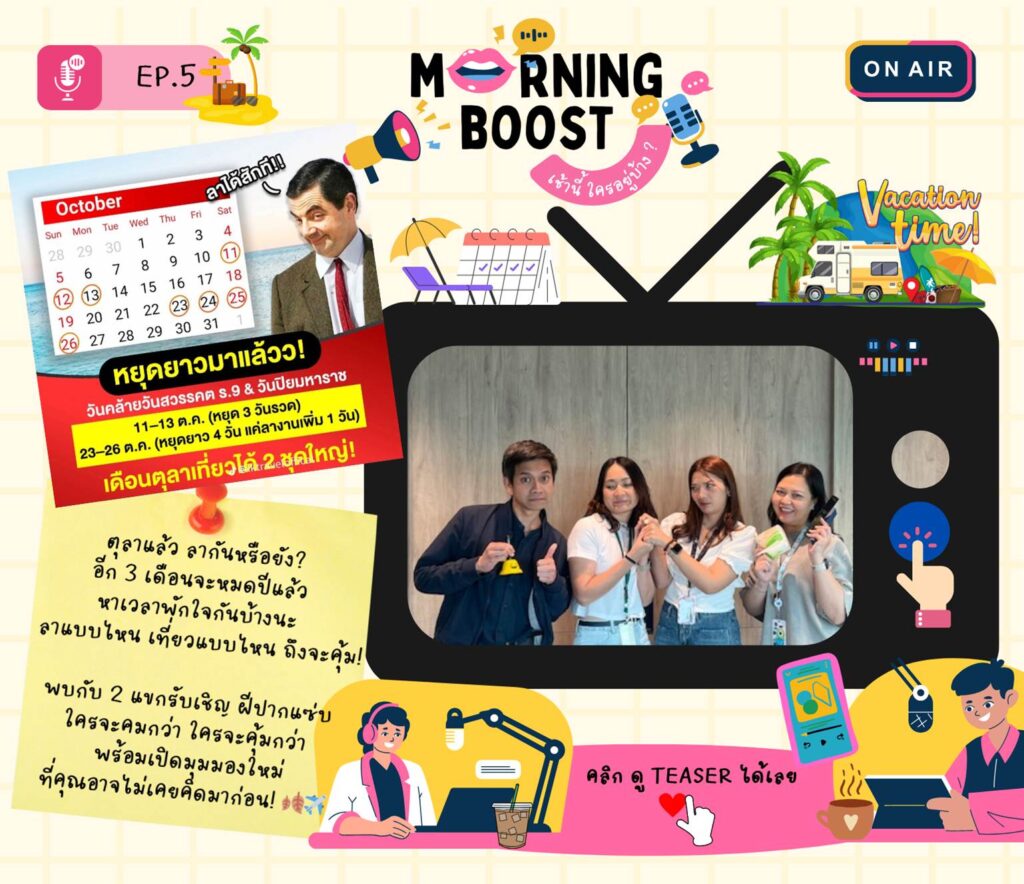
In addition, the Group actively monitors employees’ working hours. Both employees and their supervisors can regularly check their remaining entitlements of paid annual leave through the Group’s online system. This demonstrates our commitment to employees’ work-life balance and encouraging them to utilize their entitled leave.
Compensation
The Group strives to ensure that employee compensation shall be higher than minimum wage, and comparable to local living wage.
We participate in local surveys of compensation and benefit benchmarking against comparable industries regularly to ensure that our rates stay competitive. Besides, the Group has a standard salary structure based on globally accepted principles of job evaluation, to ensure pay equity. And the performance appraisal is made on merit-based approach. Therefore, we provide fair equity of compensation to all employees – male, female and other genders.
In addition, the Group provides comprehensive social protection beyond public programs, including additional health insurance, life insurance, provident fund, long-service award, health-promotion activities and programs such as Smart Mental Health Application—an AI-powered personal mental health screening and depression detection tool. These programs support the financial, mental and physical well-being of the employees.
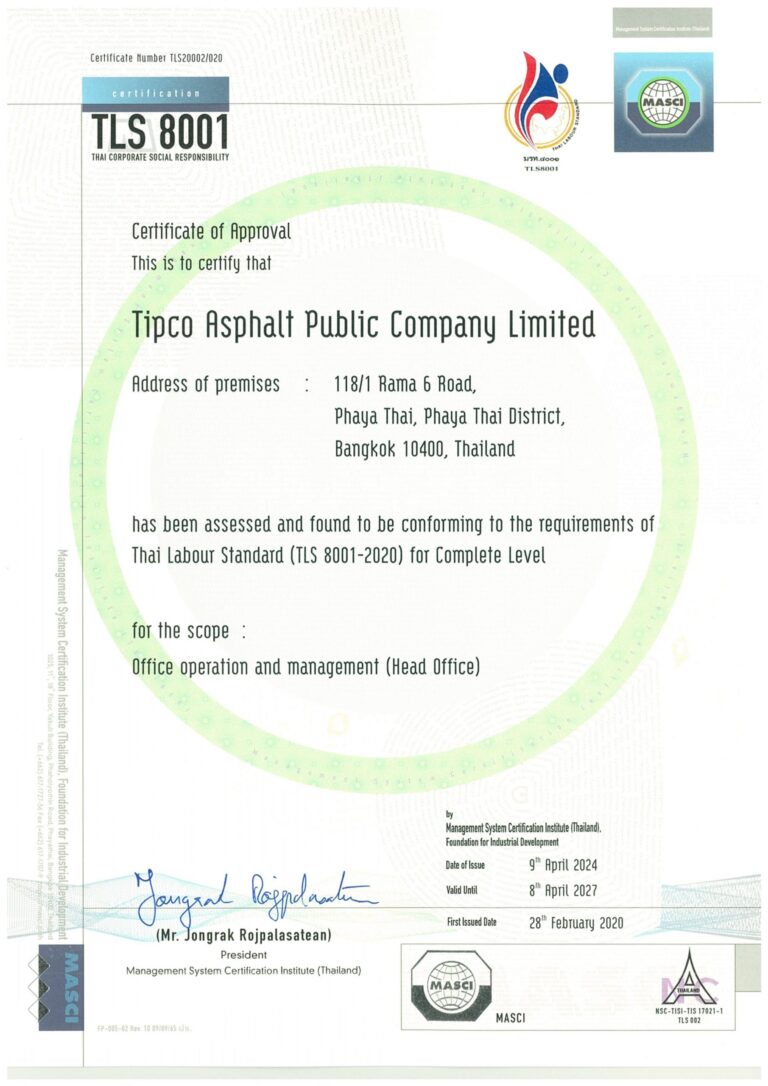
In 2025, the Group continues to be verified with Thai Labour Standard (TLS) 8001-2020 certification from the Labour Standards Development Bureau of Thailand, reflecting our alignment with labor legislation and local implementation of ILO.
Human Capital Management
The Group manages human capital as a strategic operational system which is designed to optimize performance and encourage employee potential. This system relies on two interdependent pillars: Competence and Well-being.
Competency
Training
To equip employees with work-related competencies, the Group provides training, based on the model of learning and development. The training program includes, but are not limited to, climate change, leadership, cultural education, retirement transition, and digitalization. All employee categories, including permanent and contractual, are eligible to these programs depending on their role requirement and/or tasks.
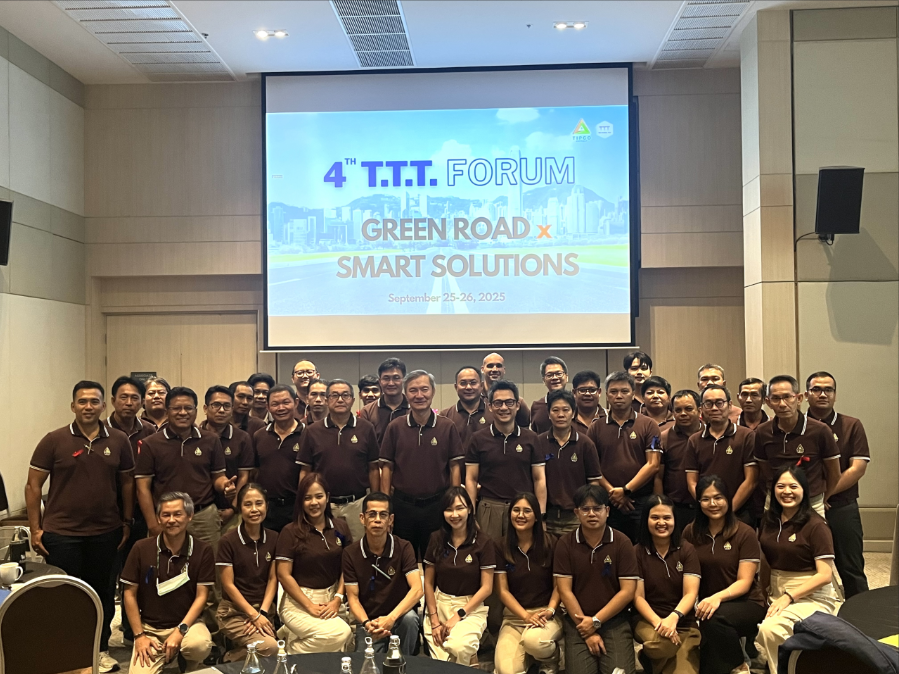
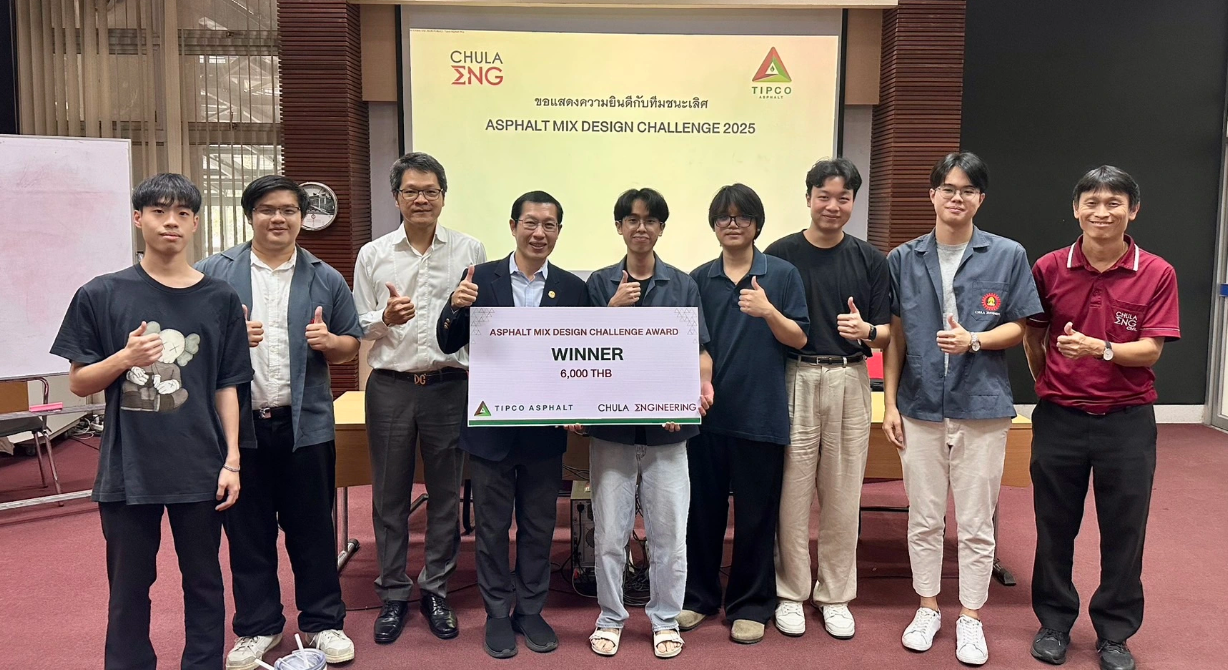
The Group offers several types of employee development, including on-the-job training, coaching, and mentorship, employee resources groups (e.g., the 4th Tipco Technical Team Forum 2025) and external collaboration (e.g., the Civil Engineering Chulalongkorn University-TIPCO Asphalt Mix Design Challenge 2025).
Performance Appraisal
The Group performs a comprehensive performance appraisal twice a year or more. First is the management by objective, where employees were measured based on the agreed upon set of indicators at the beginning of each fiscal year.
Second is multidimensional performance appraisal where employees are evaluated from different perspectives i.e., immediate supervisor, and consented by superior supervisor.
Third is the team-based performance appraisal where a group of employees are measured based on collective KPIs (e.g., sale targets of the business unit, and safety targets of Operations Department).
The final is the agile conversation where employees were being informed on a monthly/weekly basis on their performance from supervisor (e.g., during the weekly team meeting).
Well-being
Employee Engagement
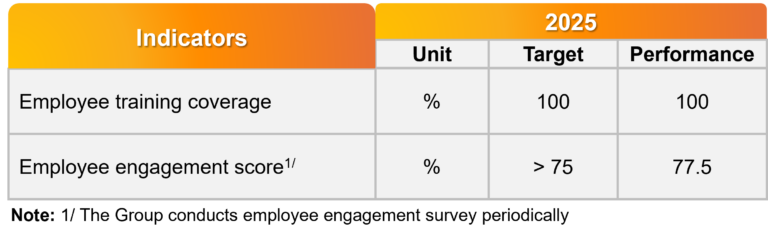
The Group conducts an employee engagement survey periodically, measuring key indicators including job satisfaction, purpose, happiness, and stress level. Open-end questions are also in place for anonymous inputs and insights from employees.
The employee engagement survey results are then used as the foundation to design employee support programs addressing specific employee needs.
Employee Support Programs
The engagement survey highlights issues that employees are placing importance on workplace stress and work-life integration. The Group therefore provides the employee support programs such as follows:
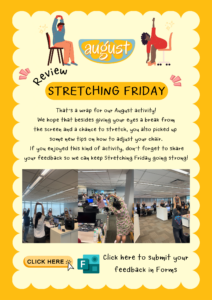
- In terms of stress and sport & health management, the Group offers, for example, stress relief contents, stretching Friday, and the Group sport events.
- To support work-life integration, the Group offers flexible working hours, educational scholarships for employees’ children, the lactation facility, the parental leave up to the regulations and paid annual leave for family care or other reasons.
KEY PERFORMANCE
HIGHLIGHT PROJECTS
Labour Practices
Workplace Harassment Training
Because of the diversity of the workforce, the Group provides the workplace harassment training as part of the Code of Ethics programs on an annual basis.
This training aims to increase all employees’ awareness of acceptable and unacceptable behaviors at workplace regarding harassment and to equip selected senior employees (management positions) to be able to spot early signs of harassment and to handle the situations appropriately. This training is mandatory for all types of Group’s employees.
Human Capital Management: Competency
Climate Change Training
In alignment with the Group strategy on sustainable organization, the Group conducted climate change training for employees. The program aims to increase employee awareness of climate change impacts and the business relevance to climate change, which is a foundational component of our future-skills development regarding corporate sustainable development.
Leadership Training
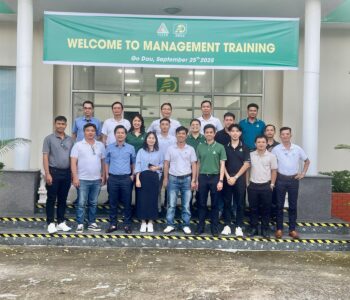
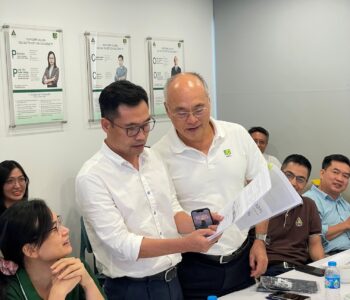
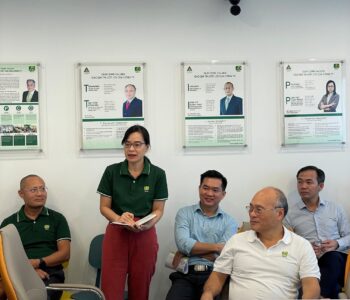
Effective execution of our strategic objectives relies heavily on the capability of our management teams. Leadership skills are deemed as the building block to drive execution of subordinates; the Group thus provides the training program on leadership to train management-level employees on how to manage subordinates where all the managers were eligible in this program.
The program details include, but not limited, to the definition of done (how managers can cascade the strategic goals to individual task), and the people manager program and 6 critical practices (what are the managers’ main capabilities relevant to leading the teams).
Digitalization Training
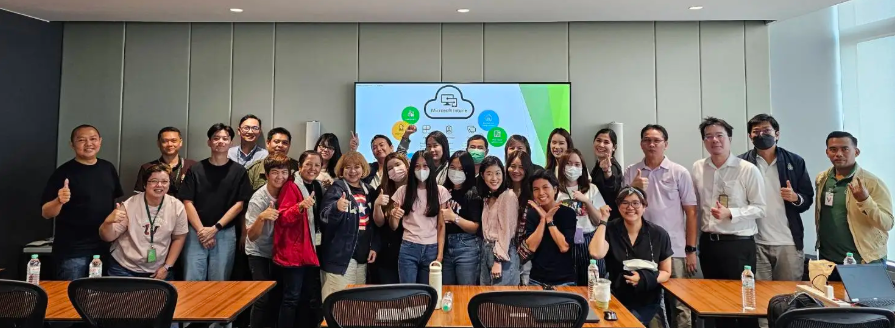
To update our workforce with todays and future trend of digitalization, the Group set up training of digitalization knowledge and skills to strengthen employees’ digital competencies, enhance operational efficiency, and reinforce cybersecurity awareness to mitigate cybersecurity risk and support the secure adoption of new technologies across business functions.
Therefore, the Group therefore provides cybersecurity training to all employees to enhance their understanding of potential forms of cyber-attack and the knowledge to handle the situations.
Human Capital Management: Well-being
Retirement Transition Training
To support employees in preparing for good quality of life after retirement, the Group conducts a training program during retirement transition to equip senior employees with relevant knowledge and skills for managing their mental, physical, and financial well-being after retirement. This initiative enhances the Group’s employer brand and demonstrates its commitment to human capital management throughout, and beyond the employee lifecycle.
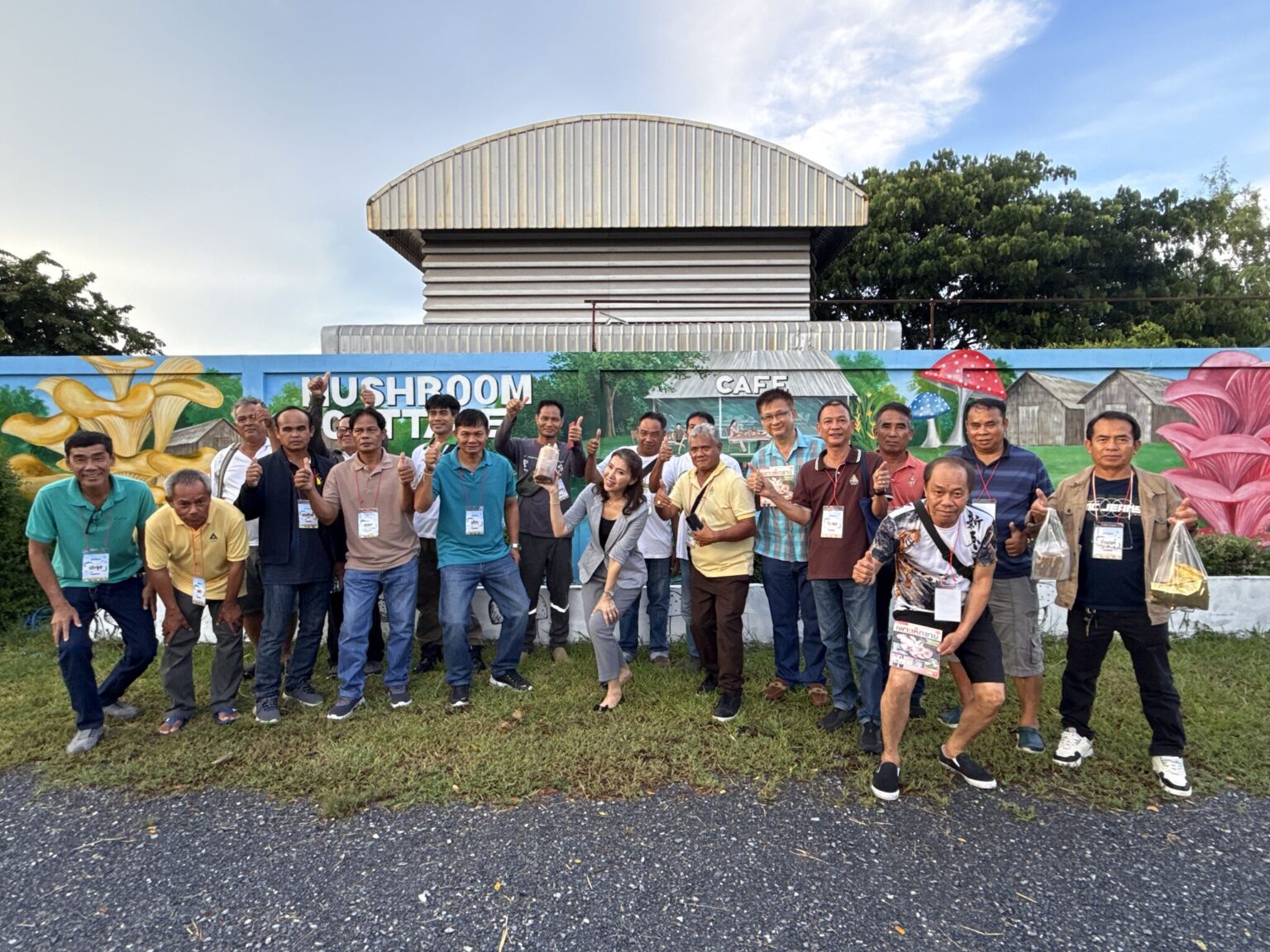
In 2025, the program received an average satisfaction score of 4.77 out of 5. Participants highly valued the program’s practical content, including introductions to new hobbies and physical activities, financial planning, and information on retirement benefits, all of which contributed to a smoother transition into retirement. Other key aspects of satisfaction score include the venue, food, accommodation, HCM team management, and pre-event communication being highly rated by participants.
Cutural Activity
Because the Group consists of multiple nationalities, the Group offered an activity in the form of participation in our regional Colas’s sport event in Nakhon Ratchasima province. All nations of employees are eligible to participate, upon their willingness.
While engaging in this sport competition, the employees within the Group from Europe and Asia/Oceania join the event, fostering mutual understanding and respect.